






























.avif)

.avif)
.avif)



























Get a guide to creating pitch decks presentation


.png)

TL;DR
Massachusetts startups raised $16.7B in 2025. The capital is here. The question is whether your company, stage, and deck are matched to the right room.
I grew up in Boston. I've watched the ecosystem shift from a biotech-and-academia corner of the venture world into something more pluralistic — still weighted toward life sciences and deep tech, but increasingly committed to AI, robotics, climate, and B2B software.
Massachusetts startups raised $16.7B in 2025, up 12% year-over-year. Five new unicorns. Firms like Pillar VC closing a $175M fourth fund dedicated entirely to early-stage Boston talent. The capital is real.
But here's what most founders get wrong: Boston is not San Francisco. The network is tighter, the diligence is deeper, and the ecosystem punishes spray-and-pray outreach in ways that Silicon Valley occasionally forgives. A founder I worked with recently put it plainly — "I had a meeting booked. I had no idea what tier they were." That one sentence captures the problem exactly. Walking into a Series A firm with a pre-seed deck, or pitching a consumer play to a biotech-focused fund, wastes everyone's time and — in a city where everyone knows everyone — travels fast in the wrong direction.
Massachusetts biopharma companies alone captured 28.3% of all U.S. biopharma venture dollars in 2024, second only to California. But Motional raised $453M in autonomous vehicles and AI music startup Suno pulled in $250M. Boston has range. The trick is knowing which corner of it you belong in.
This list is a practical map — not a who's-who of logos. For each firm, you'll find what they actually focus on, where they add value, where they have gaps, and the specific type of founder they're suited for.
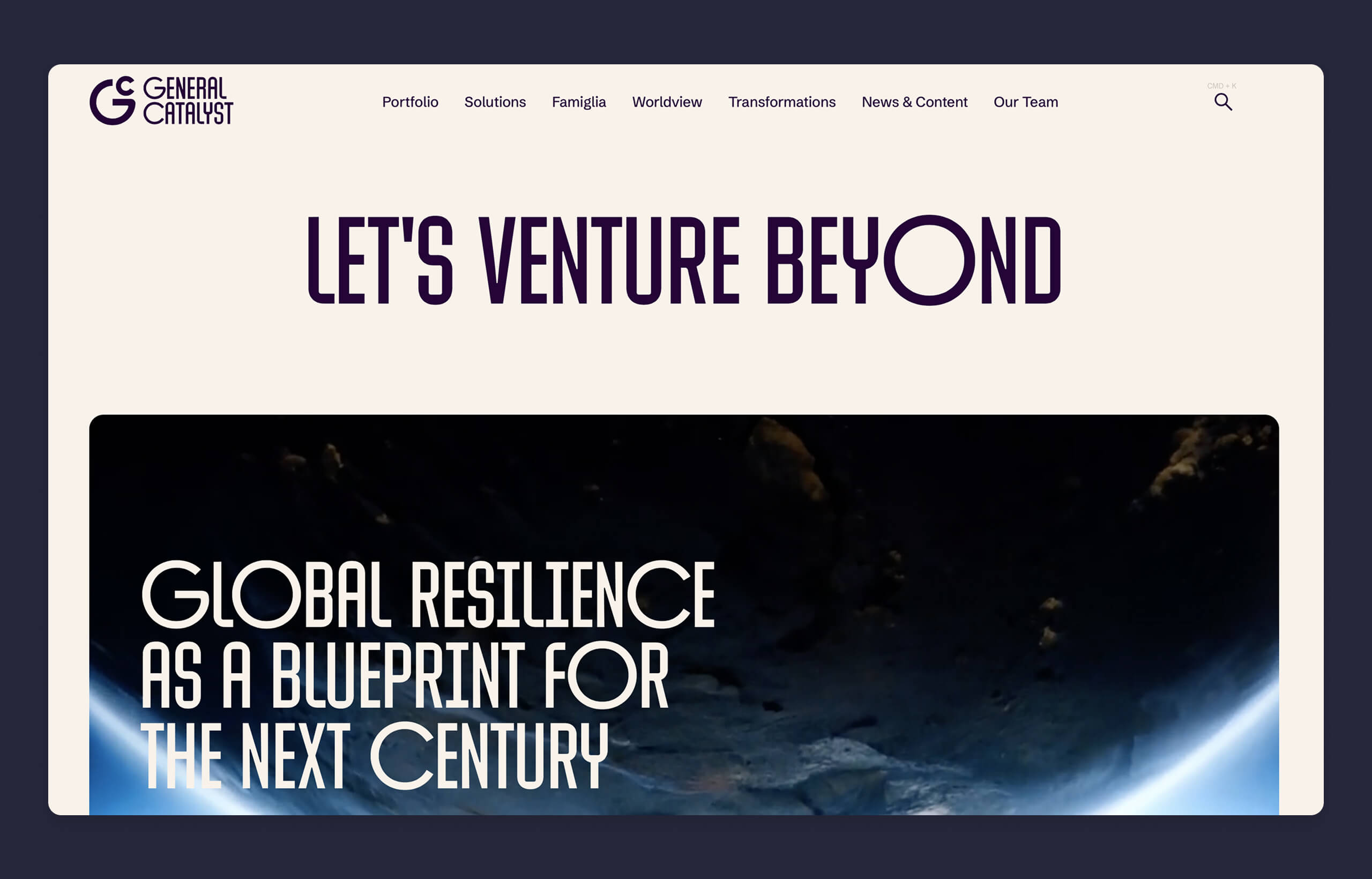
Stage: Seed through growth ("creation to IPO") | Sectors: Enterprise software, fintech, consumer, health assurance
General Catalyst is Boston's closest equivalent to a Sequoia-class platform — a firm that can write your seed check and lead your Series D. Their portfolio includes HubSpot, Stripe, Airbnb, and Warby Parker. Fifteen-plus funds since 2001, now operating as a genuinely global platform anchored in Cambridge.
Pros: Rare ability to back a company from first check through IPO. Deep operator networks across every major vertical. Having General Catalyst on your cap table carries real signal with co-investors at every subsequent round.
Watch out: Not ideal for niche deep-tech or highly specialized biotech plays. The firm covers a lot of ground, which means your deal competes for attention inside a large, diverse portfolio. Expect rigorous diligence and a high bar for market size.
Best for: Founders building scalable, category-defining companies across enterprise software, health, or fintech — especially those who want a single institutional relationship capable of going the distance.
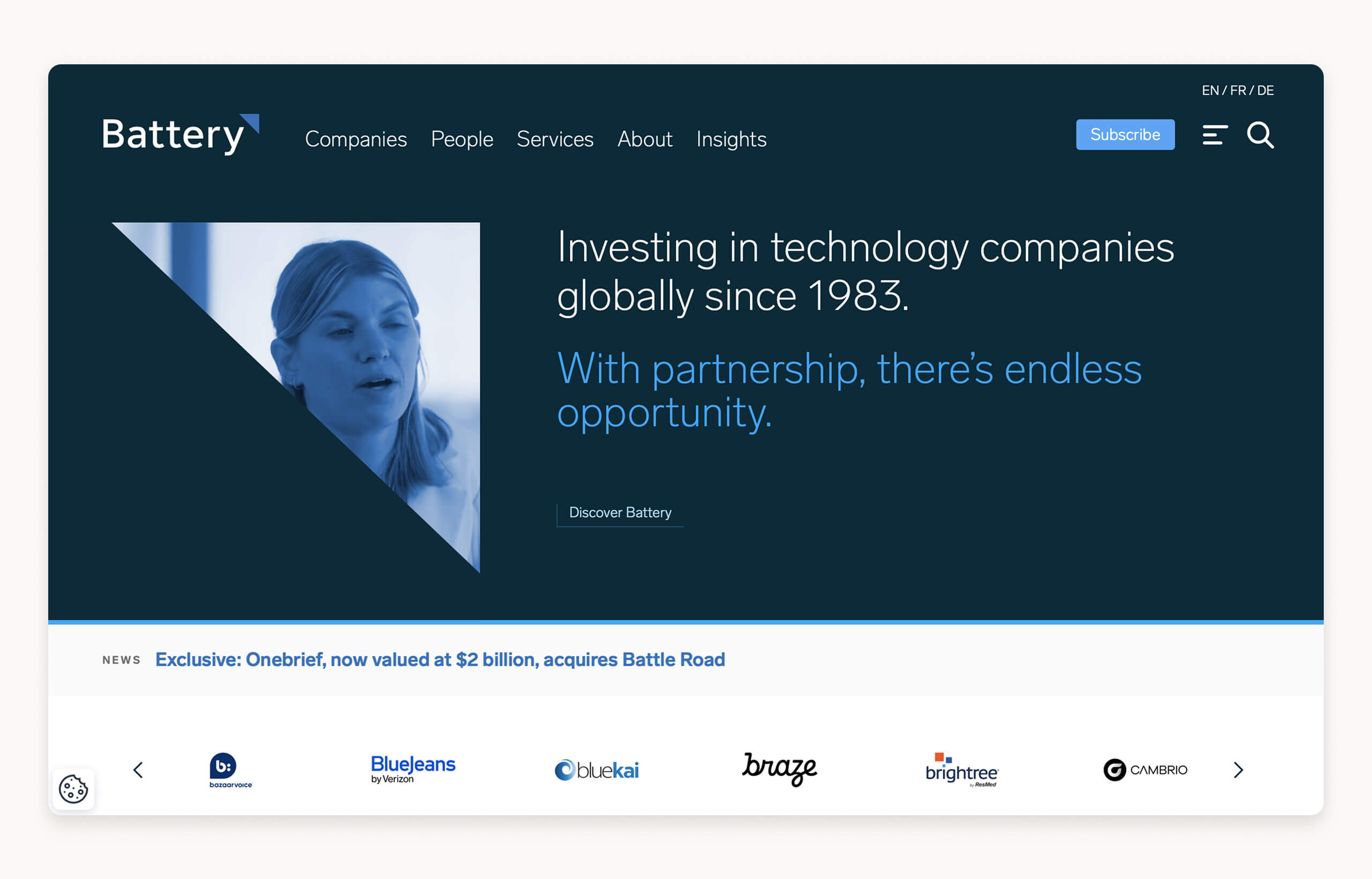
Stage: Pre-seed through late stage | Sectors: Application and infrastructure software, consumer, industrial tech
Battery has been investing since 1983 — which in venture terms is practically geological. Currently deploying $3.8B across flagship XIV and Select II funds. They back software, industrial tech, and consumer with the kind of patience that comes from having seen multiple market cycles.
Pros: Deep software and industrial expertise built over decades. Comfortable with long compounding plays. Fund size means follow-on capital isn't a question at any stage.
Watch out: Scale expectations are real — they need to see meaningful exit potential. Not ideal for capital-efficient businesses with modest ambitions or niche market sizes.
Best for: Software founders — particularly infrastructure, developer tools, or industrial tech — building for significant scale who want a partner with institutional staying power and no pressure to exit early.
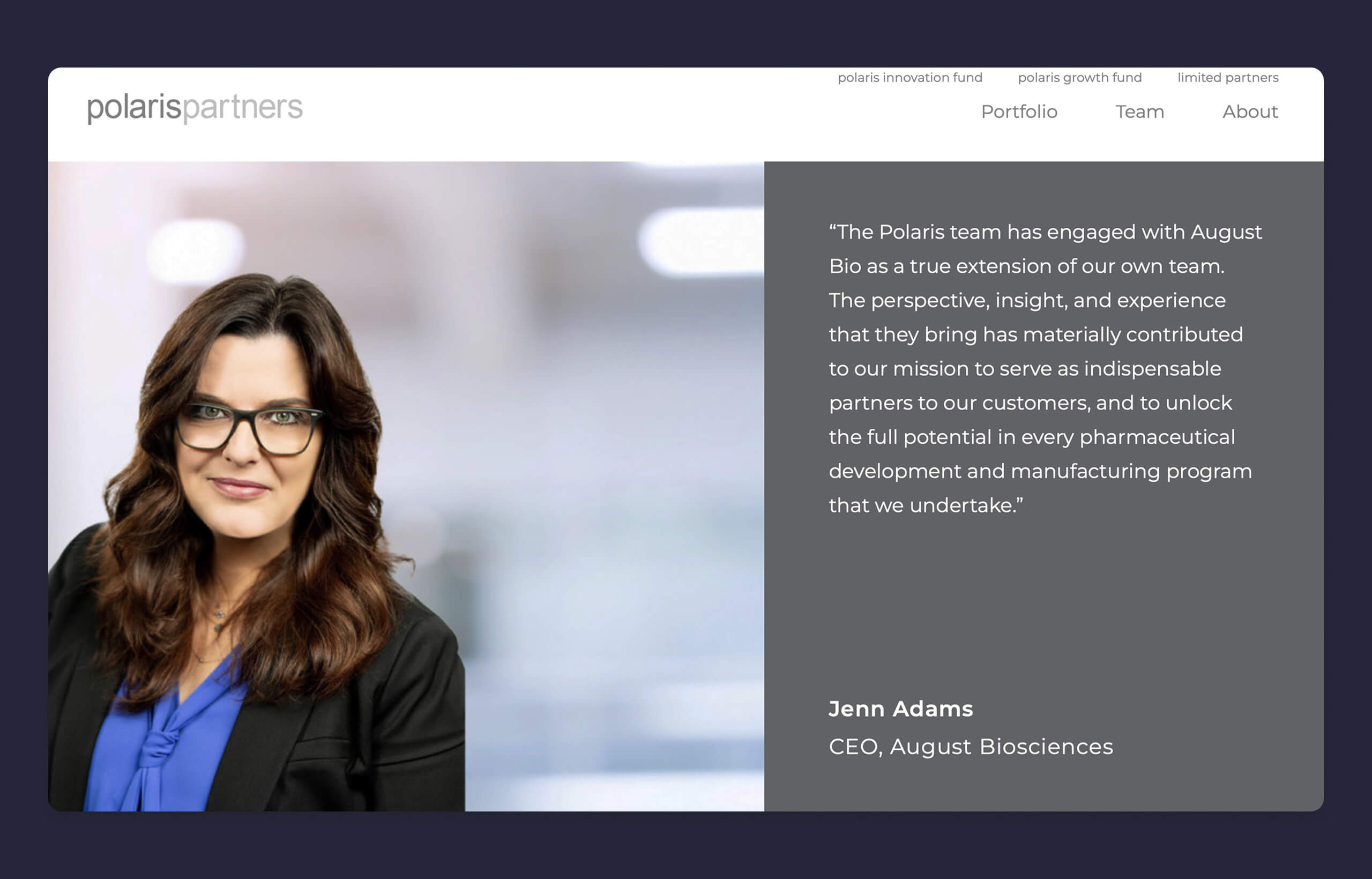
Stage: Seed through late stage + PE | Sectors: Healthcare, biotech, technology
Over 700 investments and around 200 exits across 10 funds over more than two decades. Polaris sits at the intersection of healthcare and technology in a way few firms can replicate — comfortable in both clinical environments and enterprise sales cycles.
Pros: Cross-sector fluency across health and technology is rare and valuable. Strong exit track record. Deep clinical and regulatory networks that help healthcare founders navigate complex go-to-market paths that pure tech investors often misread.
Watch out: The breadth can work against you if you need deep scientific specialization. A drug development company in a complex therapeutic area may find a pure life sciences fund a better fit.
Best for: Healthcare-adjacent tech founders — digital health, health IT, or medtech — who need a partner equally fluent in enterprise sales dynamics and clinical pathway navigation.
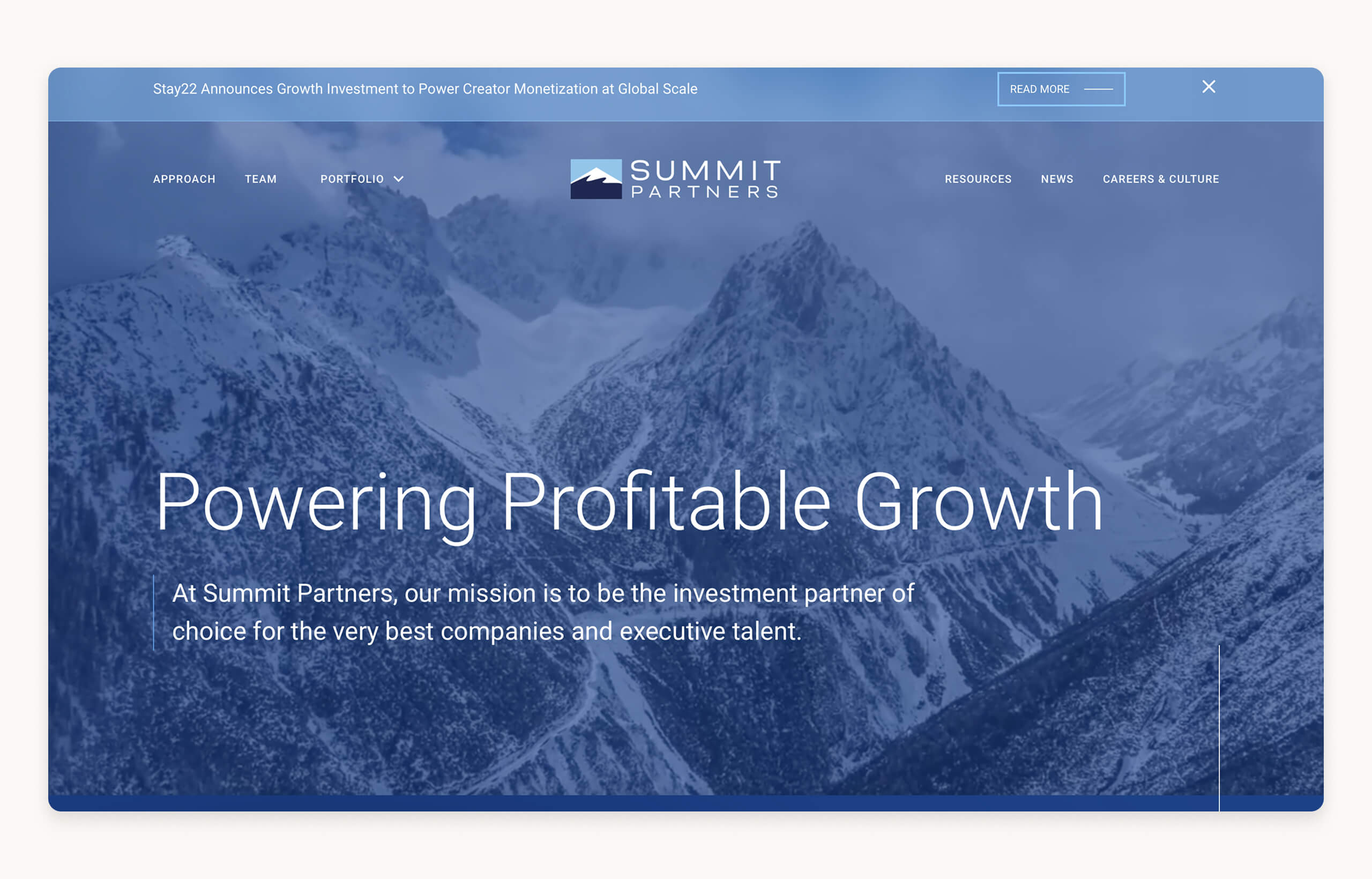
Stage: Growth equity ($10M–$500M checks) | Sectors: Technology, healthcare, life sciences, growth-stage products
Summit is not a seed fund. They come in when you have revenue, a proven model, and need capital to accelerate. With 115+ investment professionals and a global platform, they're one of the most active growth equity players in the Boston ecosystem.
Pros: Serious firepower for scaling companies. Patient capital with large check sizes. Strong LP base means portfolio companies gain credibility in institutional circles just from the association.
Watch out: Not the right call if you're pre-revenue or in early traction. Expect deep financial diligence — Summit is buying into a proven machine, not a thesis. Come with clean financials and a clear growth model.
Best for: Post-Series B founders in tech or healthcare who have strong unit economics and need a growth partner with operational depth, large checks, and a global reach.
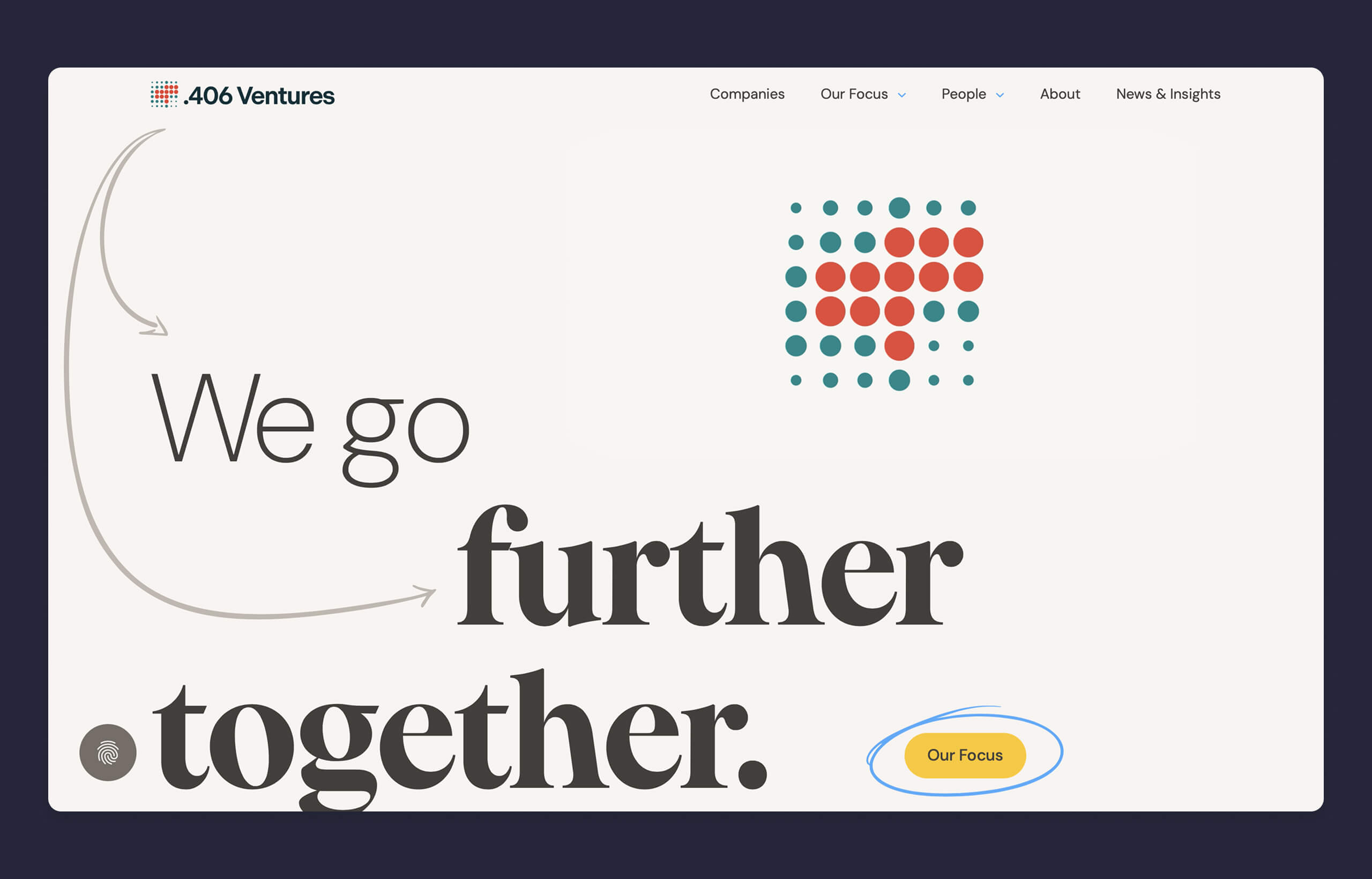
Stage: Seed, Series A (initial $2–5M) | Sectors: Cybersecurity, digital health, data and cloud
.406 is run by ex-operators who take board work seriously. Their thesis is simple: they invest where they understand both the problem and the technology deeply enough to add value that goes well beyond the check. They want companies where their network opens actual doors.
Pros: Hands-on board partners with real operating backgrounds — not just financial engineers. Strong networks in cybersecurity and digital health. They lead rounds rather than follow others.
Watch out: The focused thesis means they'll pass quickly if you're outside their lane. Early validation is essential — they want paying customers or strong LOIs, not just a compelling prototype.
Best for: Technical founders in cybersecurity or digital health who want a true board partner and already have evidence of customer demand — even if that evidence is early.
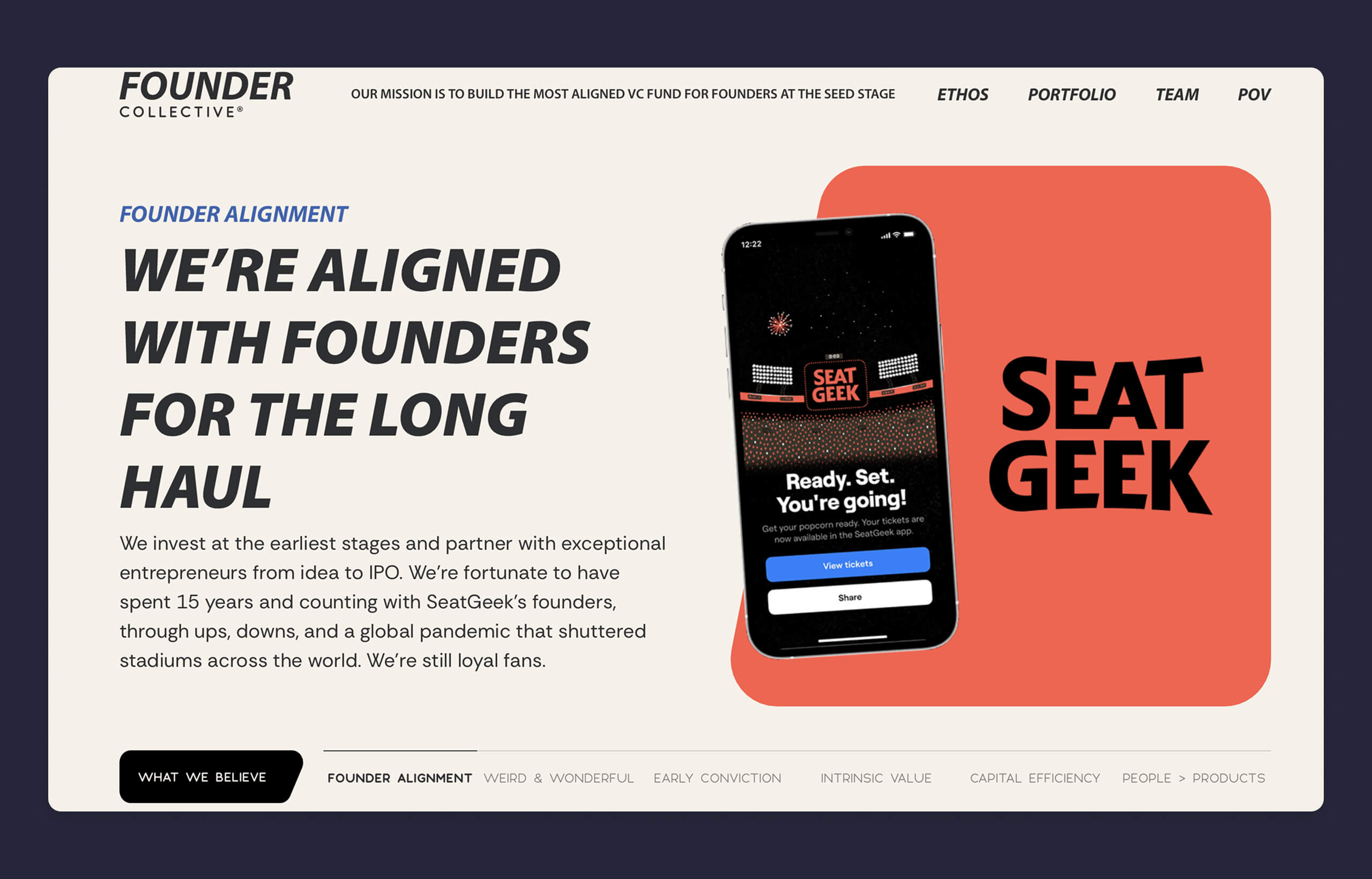
Stage: Seed only | Sectors: Broad tech
Founder Collective does one thing — seed — and does it better than almost anyone. Forbes Midas list. Portfolio includes Uber, Venmo, Whoop, and Suno. Their thesis is alignment: seed investors should take the smallest ownership necessary to stay highly motivated partners.
Pros: Founder-first philosophy with economics genuinely structured around alignment. Deep portfolio network. Getting Founder Collective on your cap table opens doors at the Series A because their stamp of approval travels well.
Watch out: Seed only — no follow-on beyond the initial check. You will need to build your Series A thesis and lead your own outreach. The bar for entry is high given the brand.
Best for: First-time or repeat founders in broad tech who want a lean, aligned seed partner with a name that carries weight in every subsequent fundraise.
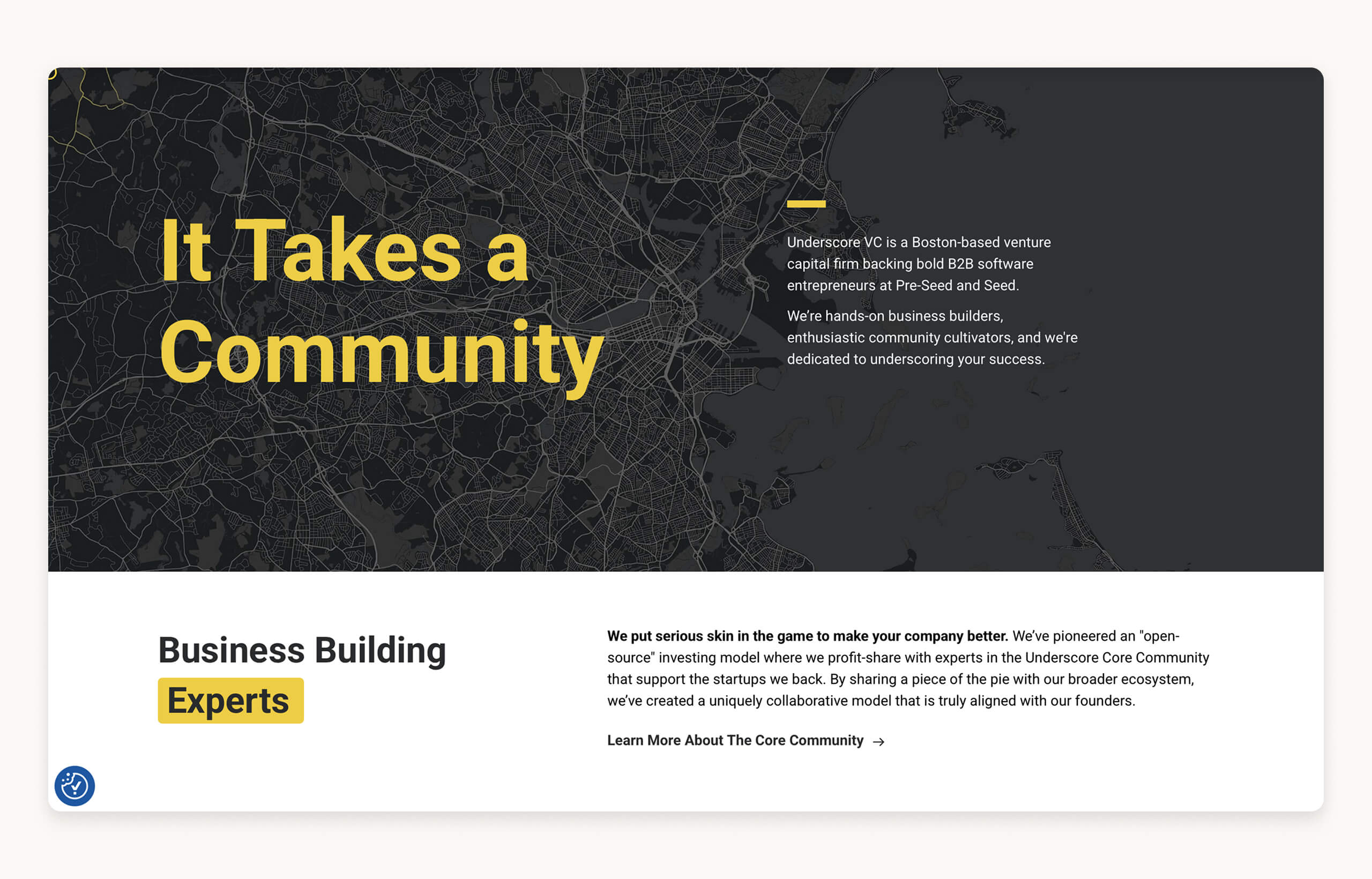
Stage: Pre-seed through Series C (sweet spot $4–10M) | Sectors: B2B SaaS, fintech, AI, cloud, logistics
Underscore is embedded in the MIT/Harvard ecosystem and built around a "Core" community — operators, executives, and advisors who actively support founders well beyond the boardroom. The B2B software conviction is deep and consistent.
Pros: Strong operator network via the Core community — introductions that actually lead somewhere. Genuine conviction on B2B thesis with enterprise connections. Particularly strong home for technical founders with MIT or Harvard roots.
Watch out: Consumer plays won't find traction here. The community model is valuable but requires active participation — founders who want a passive financial partner may find it more demanding than expected.
Best for: B2B software founders — especially in AI, SaaS, or fintech — who want an active operator community alongside capital and can leverage the Cambridge academic network.
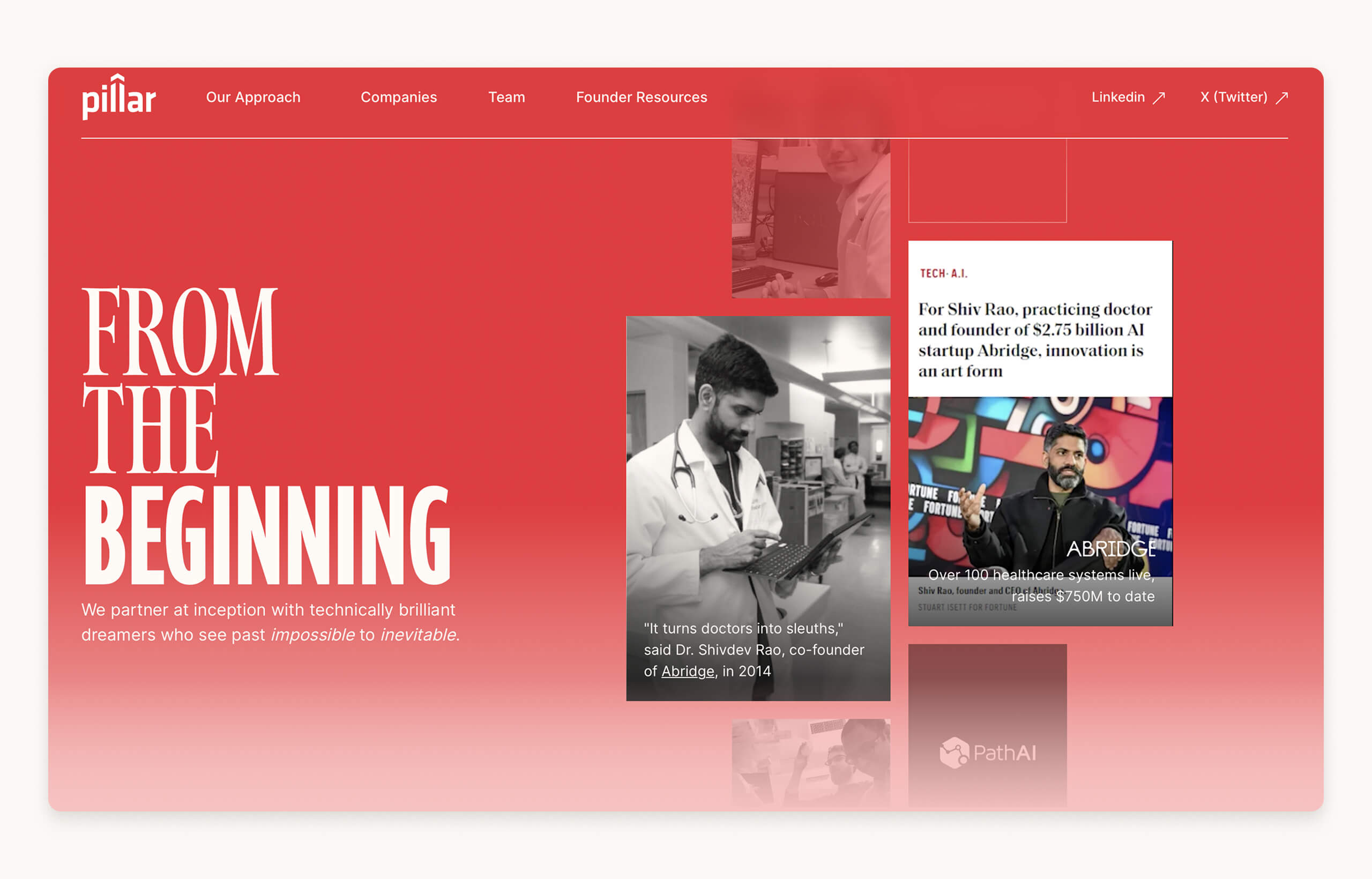
Stage: Seed through early stage | Sectors: Tech and fintech, broad early-stage
Pillar closed a $175M fourth fund in March 2025 — a clear signal that local LPs remain bullish on Boston early-stage tech despite the broader VC reset. They've built their identity around founder coaching, peer groups, and a community-first approach that's unusual at this stage.
Pros: Structured support for founders who want mentorship infrastructure, not just capital. Peer programming that's actually useful for first-time founders navigating difficult decisions. Strong commitment to the Boston ecosystem.
Watch out: The coaching model assumes you want coaching. Founders who prefer a hands-off investor or bristle at structured feedback may find the relationship more intensive than they bargained for.
Best for: First-time founders in tech or fintech who see community, mentorship, and peer accountability as features — not overhead — and want a partner as invested in their growth as in their cap table.
Stage: Seed and early | Sectors: AI-native enterprise software, cybersecurity, quantum
70+ investments, 9 exits. Glasswing has a clear, differentiated thesis: AI applied to enterprise software and security. They were AI-first before it became a fundraising buzzword, which means their networks in enterprise AI and cybersecurity are deep in a way that recent converts can't replicate.
Pros: One of the few funds that engages at the technical level — useful for founders tired of over-explaining their model architecture. Strong cybersecurity relationships across enterprise buyers and acquirers.
Watch out: The sector focus is real. Anyone outside AI-native enterprise or cybersecurity won't make the cut. The quantum thesis is long-horizon — not the right conversation if you need near-term commercial traction.
Best for: Technical founders building AI-native enterprise software or cybersecurity tools who want investors who can engage at the architecture level, not just the market slide.

Stage: Seed through growth + PE | Sectors: Healthcare technology and digital health exclusively
90+ investments, all in health tech. Flare is among the most focused healthcare technology funds in Boston — they don't back biotech or pharma. They invest in the infrastructure and software layer of healthcare, and their network within payers, providers, and employers reflects that.
Pros: Deep payer, provider, and employer networks — the kind that accelerate pilots and enterprise contracts in ways that generalist funds simply can't match. Comfortable with complex regulatory and procurement pathways.
Watch out: The mandate is a genuine filter. Founders whose company touches healthcare as one vertical among several will need to commit fully to that focus. If health is tangential to your core product, this isn't the right fit.
Best for: Founders building pure-play digital health companies — value-based care, health data infrastructure, clinical workflow software — who need a partner with direct relationships in the healthcare enterprise buying process.
Stage: Seed through post-IPO + PE | Sectors: Biotech, life sciences, medical devices
300+ investments, 90+ exits. SV Health covers the full life sciences capital stack — from first institutional check through public markets. Few firms can stay with a biotech company from founding to Nasdaq, and SV Health is genuinely one of them.
Pros: Breadth across the entire biotech funding continuum is rare and structurally valuable — particularly for founders who don't want to rebuild investor relationships at every stage. Strong public market relationships for IPO-track companies.
Watch out: Managing post-IPO and PE positions alongside early-stage companies means a complex portfolio. Seed or Series A companies may not receive the concentrated attention they'd get from a more focused early-stage fund.
Best for: Biotech and medtech founders with a clear clinical development pathway who want a long-term institutional partner capable of leading or participating from seed all the way through public markets.
Stage: Seed through post-IPO | Sectors: Biotech, drug development, life sciences
450+ investments, around 200 exits. RA Capital is one of the most prolific life sciences investors in the country, operating out of Boston with a concentrated focus on therapeutics. They cross public and private markets in a way that shapes how they think about a company's entire trajectory.
Pros: Unmatched deal flow and network in therapeutics. The crossover structure means they understand IPO readiness from the earliest stages — a real advantage for founders planning a long clinical journey. Substantial follow-on capital.
Watch out: Drug development focus is not marketing language — it's a hard filter. Device, diagnostics, or health IT companies are unlikely to find a fit here. Expect deep scientific diligence on mechanism and clinical rationale.
Best for: Drug development founders — particularly early-stage therapeutics with strong scientific differentiation — who want a scientifically sophisticated investor with the network and capital to support a full clinical program.
Stage: Seed through late-stage venture | Sectors: Climate and clean energy hardware and software
60+ portfolio companies, with a specific mandate around climate and clean energy. Notably, Clean Energy Ventures is comfortable with both hardware and software approaches — which is rarer than it sounds in a sector that often forces founders to choose between tech investors and infrastructure investors.
Pros: One of the few Boston funds with real hardware comfort in climate — valuable for founders building physical infrastructure, not just software wrappers. Strong policy and corporate partnership networks that open doors for piloting and deployment.
Watch out: Mission alignment matters here — founders who view climate as a market opportunity rather than a core thesis tend not to land well. The investment lens is values-integrated, not just financial.
Best for: Climate and clean energy founders — hardware or software — who want a patient capital partner with deep sector conviction and the specific expertise that hard-tech energy companies require to get from pilot to scale.
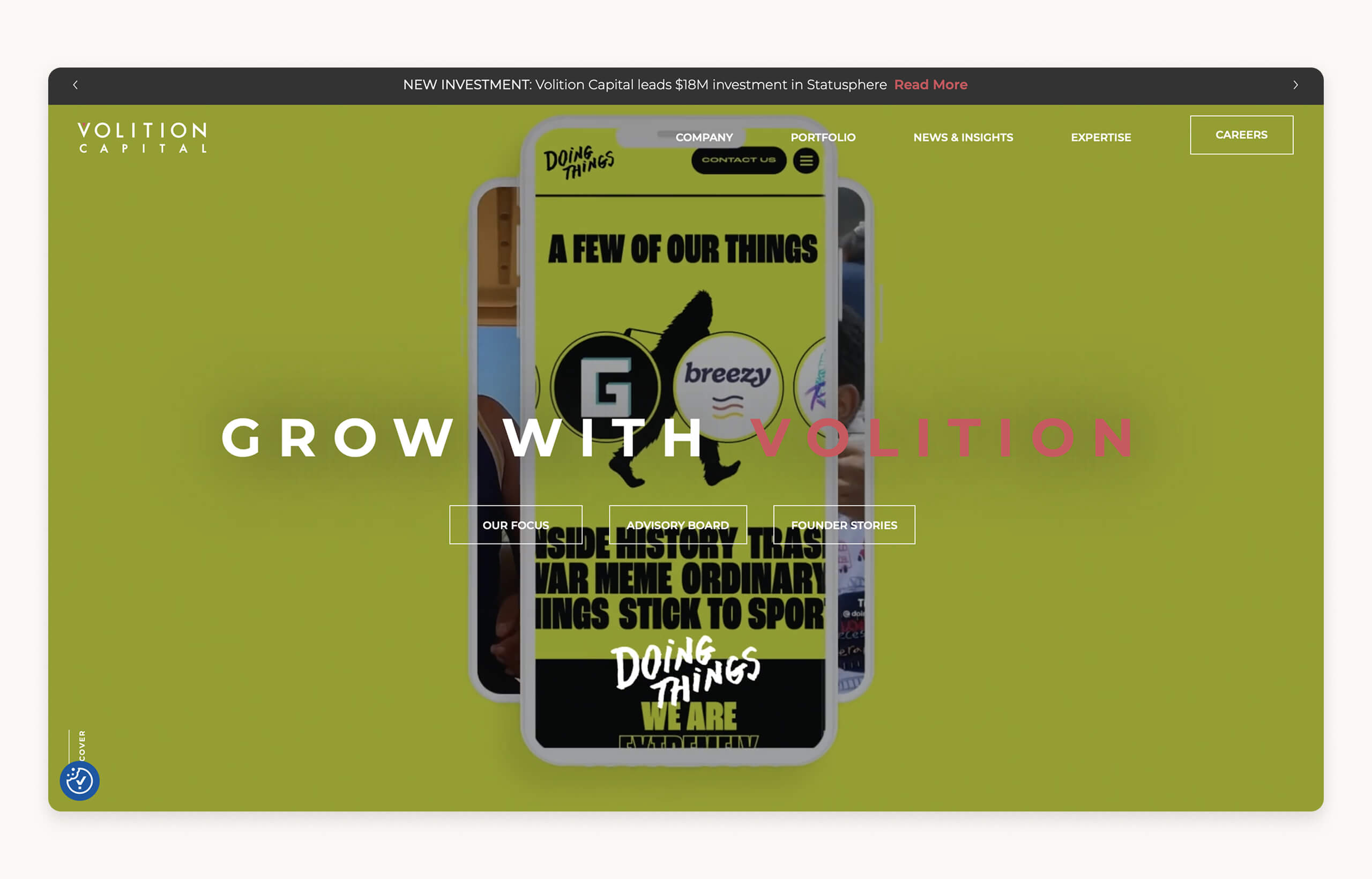
Stage: Growth equity ($10–20M checks) | Sectors: SaaS, fintech, cybersecurity, digital health, internet software
Over $1.1B AUM, 30+ portfolio companies. Volition specifically targets capital-efficient, often bootstrapped or lightly funded businesses ready to accelerate. Their proposition is clear: growth capital without the pressure to immediately reset your culture around burn rate.
Pros: Founder-friendly for companies that built without heavy VC backing — they don't require the hyper-growth narrative that many growth funds demand. Comfortable with founder-led companies and flexible on deal structure.
Watch out: The $10–20M check range means they're not positioned for very early or very late companies. Revenue is required — this is not seed capital in disguise, and they will diligence your unit economics.
Best for: Capital-efficient SaaS or fintech founders who bootstrapped to meaningful revenue and want a growth equity partner who respects how they built — rather than asking them to burn faster to hit an arbitrary ARR milestone.
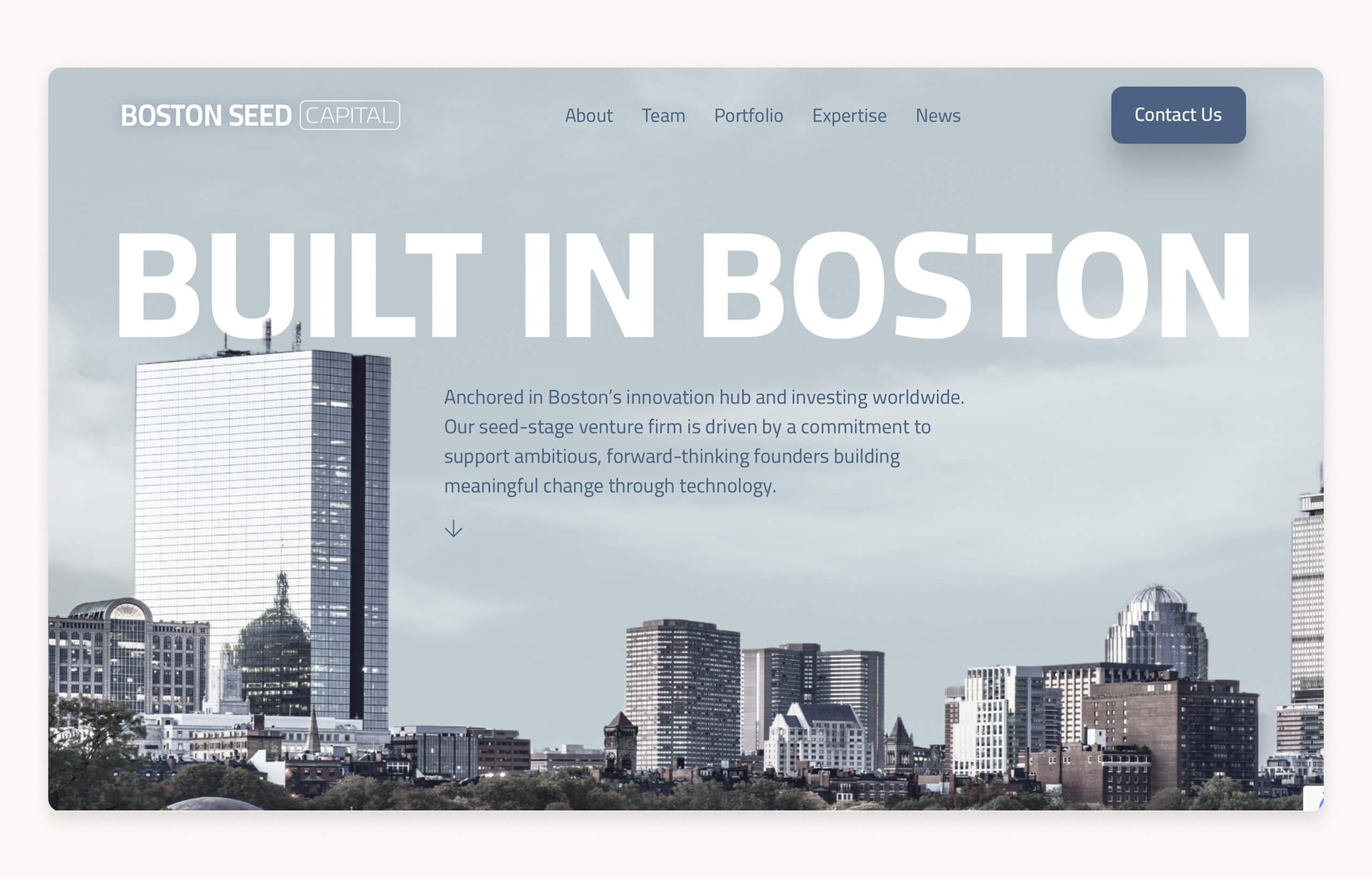
Stage: Pre-seed and seed ($250K–$2.5M) | Sectors: Early-stage tech, software, digital media, ecommerce
Boston Seed Capital is exactly what it sounds like — a local seed specialist for Boston founders who want their first institutional check from people who know the ecosystem and will show up to the board meeting in person.
Pros: Hands-on support from a team embedded in Boston. Smaller check sizes mean lower dilution at the earliest stages. Useful for founders who want local accountability and active involvement from an investor who isn't stretched across a global portfolio.
Watch out: Small fund means limited follow-on capacity. You will need to lead your own Series A outreach — plan your cap table accordingly and don't rely on Boston Seed to carry the bridge.
Best for: Pre-seed or seed-stage tech founders based in Boston who want a local, engaged first institutional partner and are ready to drive their own process when it's time for Series A.
Knowing which vc firms in Boston exist is the easy part. What determines whether you get a second meeting — and eventually a term sheet — is showing up with a pitch that's built for the specific room you're walking into.
Across all 15 firms above, the evaluation criteria converge around the same core pith deck elements. Not every investor weights them equally, but every serious deck needs to address all of them.
A clear, specific problem statement. Not "the market is broken" — but exactly who is experiencing what friction, at what cost, and why the current solutions fall short. Boston VCs are operator-led and diligence-heavy. Vague problem framing gets filtered out fast.
Market sizing that's built from the bottom up. TAM slides with circles don't land here. Investors want to see the math — how many customers exist, what they'd pay, what share is realistically addressable. The firms on this list have seen too many hockey sticks to be moved by them alone.
Traction that proves the thesis. This doesn't require millions in ARR at seed — but it does require evidence. Paid pilots, LOIs, clinical data, design partner commitments, revenue cohorts. The pattern matters more than the number. Show that someone has paid for this, or would.
A narrative built around the investor's return model. A biotech investor reads the deck looking for a clinical pathway to exit. A growth equity investor is calculating net revenue retention and expansion potential. A seed generalist wants to believe in the founder before the market. Deck structure is not cosmetic — it's a signal that you understand how your investor thinks.
A team slide that answers "why you." Domain expertise, prior exits, technical depth, operator experience — whatever is true and relevant to the specific bet being made. First-time founders need to compensate with evidence. Repeat founders need to show they've learned, not just that they've done it before.
A clear, specific ask with use of funds. Ambiguity about how much you're raising, at what valuation, and for what milestones is a red flag at every stage. Boston VCs run structured processes. Come prepared.
"I didn't know the deck was the problem until the meetings started going differently,"
a founder told us after we rebuilt their Series A narrative from scratch. It's a sentence we hear more than we should. The deck rarely fails on design — it fails on logic, sequencing, and fit.
We're based here. Whitepage Studio is headquartered at 867 Boylston Street, Boston — which means we're not advising on this ecosystem from a distance. We've watched it evolve, we know how the firms on this list think, and we've helped founders walk into these rooms with presentations that earn real consideration.
What makes our approach different is that every project is handled at the executive level. Tanya leads discovery, narrative, and strategy on each engagement — not a junior account team, not a templated workflow. When you work with us, you're working with someone who has spent 12+ years inside the investor-founder dynamic and understands what's at stake in each deck we build.
That approach doesn't change based on the round or the industry. We've built decks for pre-seed founders raising their first $500K and for growth-stage companies preparing $50M+ rounds. We've worked across biotech, fintech, SaaS, climate, medtech, consumer, and deep tech. The process adapts — the discipline doesn't.
In over 1,000 completed projects, our clients have collectively raised more than $1.5B. That track record isn't accidental — it comes from treating every deck as a business argument, not a design exercise.
We recently helped a fintech founder prepare for their Series A by rebuilding their narrative from a product story into a clear investor thesis — defined problem, undeniable market, and traction that spoke the language of growth equity. You can see how that came together in the Goodfinch case study.
When you're ready to build or sharpen your investor deck — whether you're walking into General Catalyst or Boston Seed Capital — our pitch deck design service is built for exactly this: from narrative architecture through final design, in the format that earns a second meeting.
Or if you'd rather think through where you stand first, let's talk. No pitch required. Just a conversation about where you are and what the deck needs to do.


For pre-seed and seed, the strongest options among vc firms in Boston are Founder Collective, Underscore VC, Pillar VC, Boston Seed Capital, Glasswing Ventures, and .406 Ventures. Each has a different sector emphasis — Founder Collective covers broad tech, .406 focuses on cybersecurity and digital health, Glasswing targets AI-native enterprise. Match your sector before outreaching.
For biotech, life sciences, AI, B2B SaaS, and climate tech, Boston is one of the best cities in the world to raise. Massachusetts startups raised $16.7B in 2025, and biopharma companies alone captured 28.3% of all U.S. biopharma venture dollars in 2024. For pure consumer or social media plays, the ecosystem is comparatively thin — founders in those spaces often end up looking to New York or San Francisco for their lead investor.
Boston VCs consistently emphasize technical differentiation, early customer validation, and a clear pathway through complex markets. They respond well to evidence-first narratives: clinical data, pilot results, ARR traction, or defensible IP. The firms here are largely operator-led, which means they read decks critically and notice quickly when the business logic has gaps. It's also worth knowing why AI-generated pitch decks consistently fall short in exactly these rooms.
Boston runs deeper in specific sectors — particularly life sciences, healthcare, and AI — and shallower in consumer and social. The network is tighter, diligence is more rigorous, and the ecosystem rewards founders who understand their fit. Silicon Valley tolerates more pre-revenue bets and high-burn narratives; Boston generally wants evidence before committing at later stages. The upside: if you're in the right sector, you can find a world-class investor, clinical partner, and technical co-founder within a few miles of each other.
Boston VCs disproportionately fund biotech and life sciences, healthcare technology, AI-native enterprise software, B2B SaaS, climate and clean energy, and cybersecurity. Massachusetts captured roughly 28% of all U.S. biopharma venture dollars in 2024 — a level of sector concentration that reflects decades of institutional infrastructure around MIT, Harvard, and the broader Cambridge research corridor. Pure consumer plays, web3, and entertainment receive comparatively little attention from the local ecosystem.


867 BOYLSTON ST
BOSTON, MA 02116


